

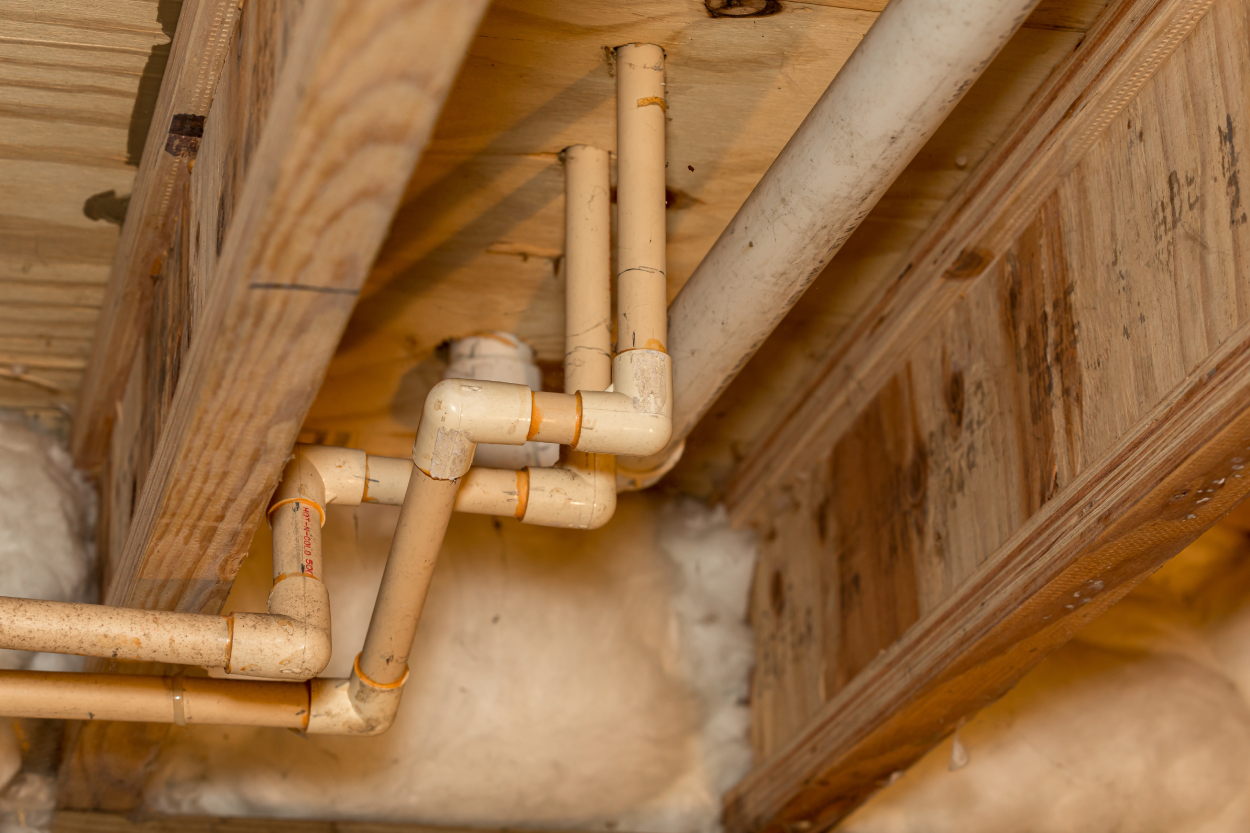
Is there a musty smell coming from your floorboards? It may be from your crawl space. Crawl spaces tend to collect mold, pests, and wood rot, causing all kinds of musty, nasty smells. While it can be from a simple spill, it can also be a much deeper problem within your home.
Common Surface-Level Smells
Before assuming the problem is beneath your house, it’s worth ruling out a few simple causes of a musty smell in your house. Everyday sources like pet accidents, spilled liquids, or leftover residue from cleaning products can all create lingering odors.
In many cases, a thorough deep cleaning or treating the affected area can eliminate the smell entirely. If the odor persists after cleaning, it’s a strong sign that the issue may be coming from mold under your floor.
Crawl Space Moisture and Mold
Mold and moisture have a sneaky way of getting into your crawl space, especially in a place like Virginia where humid summers and changing temperatures are the norm. Water can easily seep up from the ground and slip in through small foundation gaps.
A damp, dark enclosed space is a perfect breeding ground for mold and mildew. These can start breaking down wood, leading to rot and even attracting pests, and that’s where the musty smell really takes hold. The tricky part is that it doesn’t stay under your house. Air moves upward, so a large portion of the air on your first floor can come from the crawl space, bringing those musty odors, mold spores, and allergens right along with it.
The Real Dangers of a Musty Crawl Space
A musty crawl space isn’t just unpleasant; it can also impact your health. Ongoing exposure to mold spores and dust mites can trigger allergies, worsen asthma, and lead to other respiratory issues. In some cases, excess moisture can even contribute to conditions that allow radon to accumulate. Radon is a colorless, odorless gas that can infiltrate your crawl space and lead to diseases like lung cancer.
Moisture in your crawl space can also slowly weaken your home’s structure. Wood will soften and rot. Insulation may begin to sag, and metal components can rust over time. On top of that, a persistent musty smell in the house can hurt your home’s value. Lingering odors and visible damage can make it harder to sell, and any underlying issues may lower your appraisal or require costly repairs before closing. The dangers of a musty crawl space include:
- Health problems
- Structural damage
- Lower home value
Quick Fixes and Long-Term Solutions
If you’re dealing with a musty smell from floorboards, you can start with a few simple fixes. Deep cleaning affected areas, especially where spills or odors may have soaked in, can sometimes make a noticeable difference. Running a dehumidifier inside your home can also help reduce moisture in the air and temporarily improve that musty smell.
For more persistent issues, it’s important to address the root of the problem. Improving ventilation and adding a commercial-grade dehumidifier in the crawl space can help control moisture. Installing a vapor barrier over the ground prevents moisture from seeping upward.
A full crawl space encapsulation offers a more permanent solution by sealing out humidity and protecting your home from ongoing odor problems.
If the smell keeps coming back, it might be time to have someone take a look at your crawl space and get rid of that musty smell for good. Contact CrawlSpace Care and schedule your free inspection today.